If you are involved in a car accident utah, you must immediately secure the scene, call emergency services to report injuries, and exchange contact and insurance information. Within the first 48 hours, you should document the crash site, notify your insurance provider, and seek a professional medical evaluation to preserve your health and legal rights.
The moments following a collision on I-15 or a busy Salt Lake City intersection are often defined by a blur of adrenaline and confusion, yet these first few hours are the most critical for your recovery. While your immediate focus is naturally on vehicle damage, the choices you make within the first forty eight hours dictate the long term success of your legal and medical outcomes in Utah. Navigating the complexities of Personal Injury Protection and strict reporting requirements requires a structured approach that leaves no room for error. This guide provides a detailed timeline to help you secure essential evidence, understand your medical coverage, and utilize professional mobile intake services to protect your rights. By following this roadmap, you ensure that vital documentation is preserved before the window for a successful claim begins to close.
The Golden Window: Why the First 48 Hours After a Car Accident in Utah Matter
The moments immediately following a car accident in Utah are often consumed by shock and basic survival. However, while standard guides focus almost exclusively on the first five minutes at the scene, the subsequent 47 hours are actually where the strength of a legal claim is determined. We define this as the claim intake period. This narrow window is critical because evidence is highly perishable. Road debris is cleared, skid marks fade under heavy I-15 traffic, and security camera footage from local businesses in Salt Lake City is often overwritten within days or even hours.
Beyond physical evidence, the first 48 hours are when insurance companies initiate their defense strategies. Their goal is to document a narrative that minimizes their liability before you have even fully processed the event. Adrenaline frequently masks significant injuries, leading victims to make casual statements that they are "fine," which adjusters will later use to contest medical necessity. By professionalizing your documentation during this window, you ensure that facts are captured while memories are fresh and physical proof is still accessible. Understanding the specific types of accident cases we handle can help you categorize your experience, but regardless of the crash severity, the clock starts the moment impact occurs. Failing to act during this window often results in a loss of leverage that no amount of late-stage litigation can fully recover.
Hours 0 to 2: Immediate Scene Safety and Legal Obligations
The first two hours are defined by adrenaline and immediate legal obligations. First, assess yourself and others for injuries. If someone is hurt, do not move them unless they are in immediate danger. In Utah, the law regarding vehicle placement depends on the severity of the crash. According to Utah Code § 41-6a-401, if a car accident utah occurs with no apparent injuries, you are legally permitted to move your vehicle to a safe location that does not obstruct traffic on busy corridors like State Street or the Bangerter Highway.
Once safety is established, call 911. Utah law mandates reporting any accident involving injury, death, or property damage that appears to exceed $2,500. Given the high cost of modern vehicle sensors and bodywork, almost any multi-car collision in Salt Lake City or West Valley will meet this financial threshold. A formal police report provides an objective third-party account that serves as the foundation for how our process works when we begin our intake.
During interactions with the other driver or bystanders, maintain a professional demeanor but remain guarded. Avoid the natural impulse to apologize or say "I did not see you." Even a polite "I am sorry" can be documented as an admission of fault in an official report. Limit your conversation to exchanging documentation until you can contact our intake team to discuss the specifics of your situation. This initial discipline protects your right to seek compensation later, especially when dealing with the specific types of accident cases we handle such as rideshare or motorcycle incidents where liability is often contested.
Essential Information to Collect Before Leaving the Scene
Before you depart the scene, you must secure a specific set of data points to avoid critical gaps in your claim. Begin with the basics; obtain full names, phone numbers, and home addresses for all drivers involved. Document their insurance carriers and policy numbers along with vehicle plate numbers and license information. If bystanders witnessed the car accident utah, record their contact information immediately. These objective third-party accounts are often lost forever once witnesses leave the area.
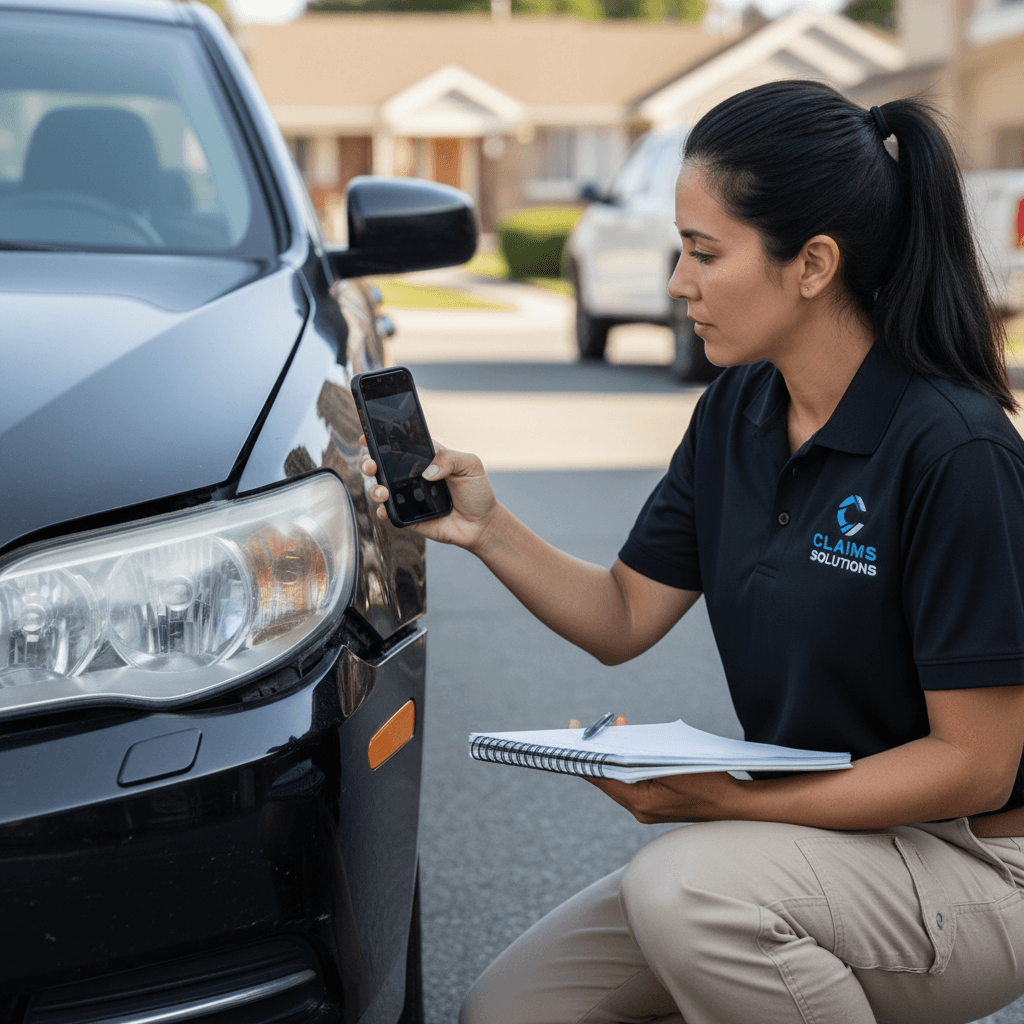
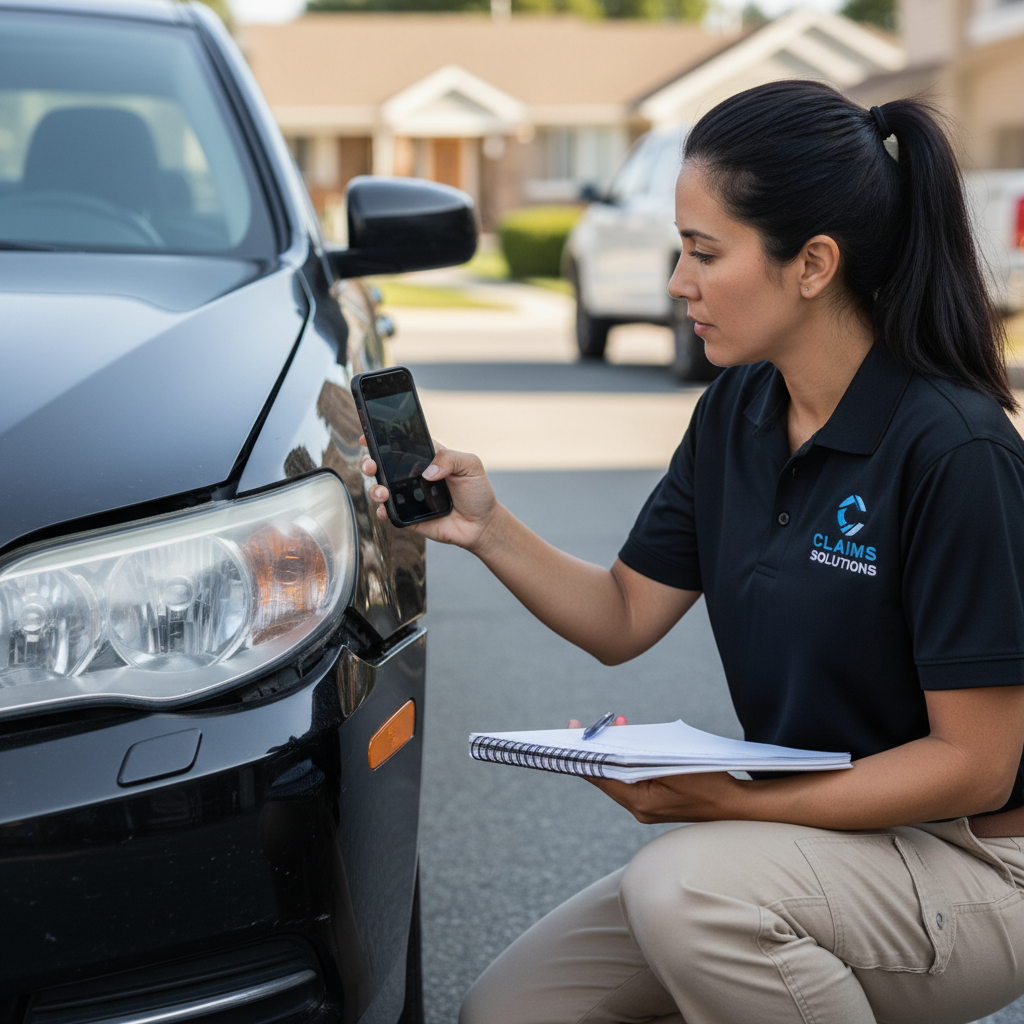
Visual evidence provides a ground truth that verbal statements cannot replicate. Use your phone to capture comprehensive imagery of all vehicles from multiple angles, documenting both the point of impact and secondary damage. You should also photograph the surrounding environment, including nearby traffic signals, skid marks, or obscured road signs. Pay close attention to local environmental factors such as slush, black ice, or orange barrels in active construction zones common along the Wasatch Front. Capturing these details ensures that when we begin how our process works, we have the necessary variables to build a professional assessment. High-quality scene documentation prevents insurance adjusters from later questioning the physical reality of the crash.
Hours 2 to 12: Prioritizing Medical Evaluation and Utah PIP Coverage
Once you leave the scene of a car accident utah, the focus must shift immediately from your vehicle to your physical health. Adrenaline is a powerful masking agent; it can obscure significant trauma for hours. As the initial shock wears off between hours two and twelve, symptoms like neck stiffness, headaches, and abdominal pain often begin to surface. These are frequently signs of whiplash or internal bruising that require professional diagnostic imaging or evaluation to identify.
Utah operates as a No-Fault insurance state, a system designed to provide immediate relief for medical costs. Under Utah law, every standard auto policy must include Personal Injury Protection (PIP) coverage. This coverage typically pays for the first $3,000 of your medical expenses, regardless of who was at fault for the collision. Utilizing these benefits early is essential, as it establishes a contemporaneous medical record that prevents insurance companies from claiming your injuries were pre-existing or unrelated to the accident.
PIP Benefit Type | Minimum Coverage in Utah |
|---|---|
Medical Expenses | $3,000 per person |
Loss of Income | 85% of gross income (up to $250/week) |
Household Services | $20 per day |
Delaying a visit to an emergency room or urgent care facility creates a gap in treatment. Insurance adjusters use these gaps to devalue claims during the intake process. When you contact our intake team, having a record of this early medical evaluation allows us to accurately document the severity of your situation. This step is a prerequisite for most types of accident cases we handle and ensures that when we explain how our process works, we are operating with a complete picture of your recovery needs.
Hours 12 to 24: Initial Insurance Reporting and Avoiding Pitfalls
As you enter the second half of the first day, you must fulfill your contractual obligation to notify your own insurance carrier. However, there is a distinct difference between notifying your insurer that a car accident utah occurred and providing a comprehensive narrative. Keep this initial call brief and factual, focusing on the date, time, location, and the vehicles involved. Avoid speculating on the speed of vehicles or the specific mechanics of the impact. At this stage, you may also be contacted by the other driver’s insurance adjuster. You are under no legal obligation to provide a recorded statement to them immediately, and doing so without preparation can jeopardize your claim.
Insurance adjusters are trained to elicit off the cuff remarks that can be used to minimize your settlement. A casual comment about being tired or a vague description of the crash can be documented as an admission of comparative fault. This is particularly dangerous in complex injury cases where the full extent of medical needs is not yet clear.
Feature | Simple Property Claim | Complex Injury Case |
|---|---|---|
Primary Focus | Vehicle repair and ACV | Medical bills, lost wages, future care |
Statement Risk | Low to moderate | Extremely high |
Professional Intake | Helpful for speed | Essential for case valuation |
Understanding how our process works during this 12 to 24 hour window allows you to defer high-stakes conversations until you have professional documentation. Before committing to a specific narrative, it is wise to contact our intake team to ensure all types of accident cases we handle are documented with the precision required to protect your future interests.
Hours 24 to 48: Professional Intake and Mobile Notarization

As the first day concludes, the focus shifts from immediate response to administrative action. This is the period where After Hours Intake Utah bridges the gap between the crash site and the legal system. By hours 24 to 48, physical mobility is often limited by pain or lack of transport. Instead of navigating a drive to a downtown office, you can request a professional on-site visit. We arrive at your residence or hospital bed in Salt Lake City to conduct a thorough intake assessment, ensuring that no detail of the car accident utah is overlooked while the event is fresh.
Speed is critical for securing evidence, but it is equally important for documentation. Many necessary authorizations require a notary's seal to be legally binding. Our mobile notary services eliminate the logistical burden of finding a public official while you are recovering. We verify documents and secure signatures on-site, which accelerates the timeline for how our process works. This immediate handling of paperwork prevents the common delays that occur when victims wait until they feel physically able to travel. By finalizing these details within the first 48 hours, you create a professional record that allows us to categorize the types of accident cases we handle and expedite your referral to a vetted legal partner. To start this process, contact our intake team for rapid dispatch.
Why In-Person Intake Outperforms Phone Interviews
While a phone interview might seem convenient, a voice on a recorded line cannot capture the full physical reality of a car accident utah. Remote intake clerks often rely on rigid scripts that miss nuances in a victim’s condition or the specific mechanics of vehicle damage. In-person assessments allow us to document the actual force of impact through visual inspections that phone photos might distort. We look for secondary indicators of trauma, such as bruising that is difficult to describe or localized swelling, which provides a clearer picture for medical and legal review.
By meeting you where you are, we identify environmental factors or vehicle quirks that a call center employee in another state would overlook. This level of detail is fundamental to how our process works. It ensures that when we refer a file to a vetted legal partner, the attorney receives a comprehensive, high-fidelity packet rather than a vague summary. Precision in the early stages dictates the strength of all types of accident cases we handle. To ensure your story is told with professional accuracy, contact our intake team for an on-site evaluation.
Utah Statutes and Deadlines You Cannot Ignore

Utah law provides specific timeframes to file a lawsuit, known as the Statute of Limitations. For a car accident utah involving personal injury, you generally have four years to file. For property damage, the limit is three years. While these dates seem distant, waiting is a tactical error. Legal deadlines require preserved evidence; if you wait, the physical proof needed to satisfy these statutes often disappears.
Claim Type | Utah Statute of Limitations |
|---|---|
Personal Injury | 4 Years |
Property Damage | 3 Years |
Acting within the first 48 hours creates a verified baseline for your recovery. When we visit you to handle how our process works, we ensure your documentation is notarized immediately. This prevents administrative delays that risk missing critical windows. Regardless of the types of accident cases we handle, establishing a professional record today secures your right to pursue justice later. To protect your claim, contact our intake team for rapid assistance.