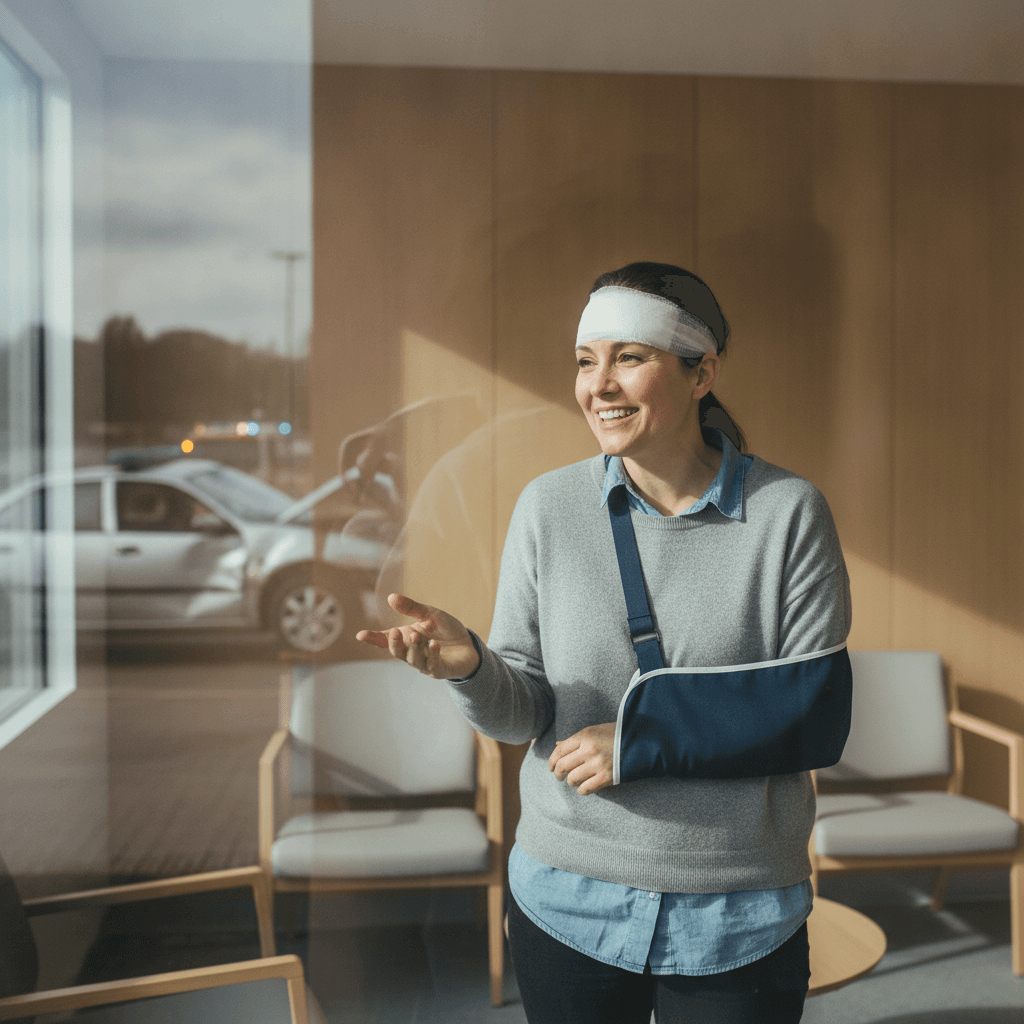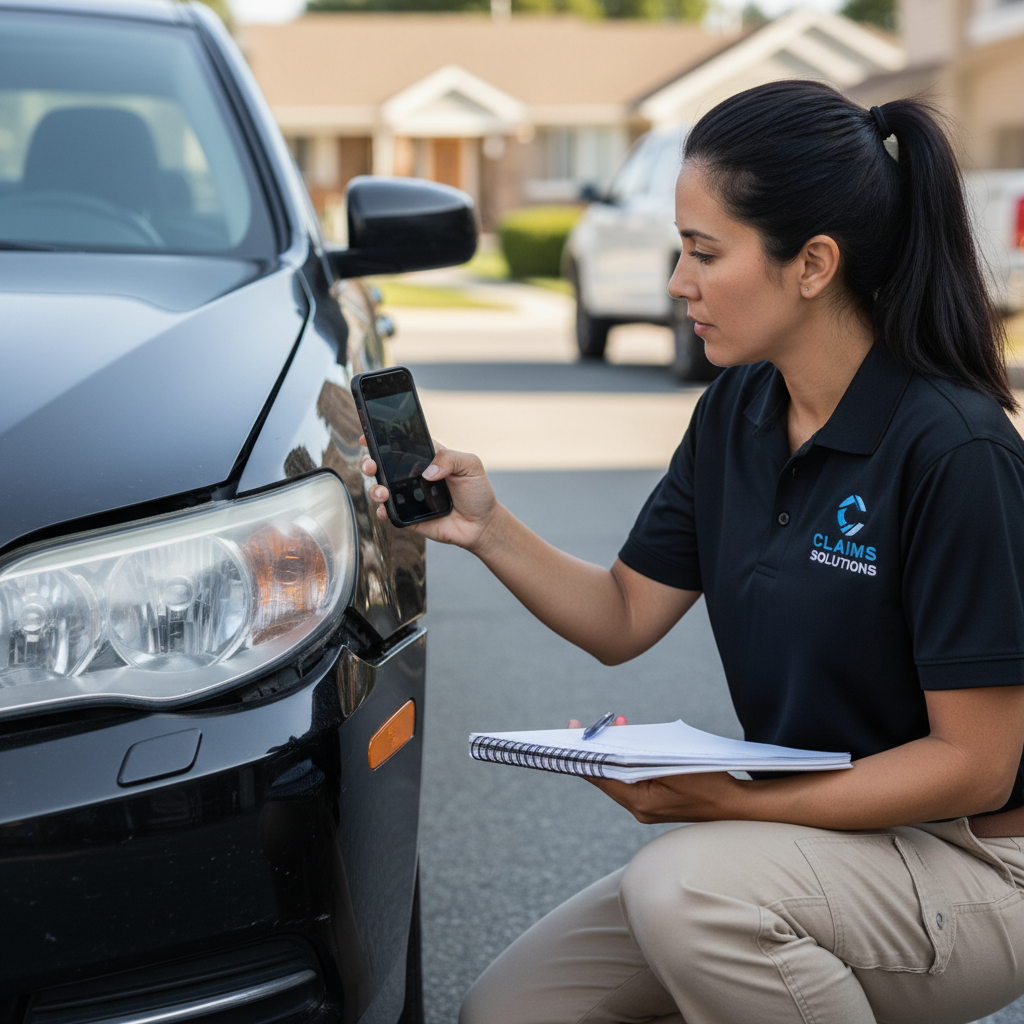
If you were involved in a utah car accident today, you must immediately prioritize safety by calling 911 and documenting the scene with photos. Within the first 24 hours, seek medical attention for potential injuries and report the incident to your insurance provider while avoiding any admissions of fault. Following this hourly checklist ensures you preserve evidence and protect your legal rights during the critical day after a crash.
If you were involved in a Utah car accident today, the sudden shock can make even simple decisions feel overwhelming. Between the flashing lights and the rush of adrenaline, it is easy to overlook critical legal steps that safeguard your future recovery. Navigating the immediate aftermath requires more than just calling your insurance provider; it requires a strategic understanding of state specific reporting thresholds and evidence collection. At After Hours Intake Utah, we recognize that the window for securing a claim begins the moment impact occurs. This guide provides a comprehensive, hour by hour checklist designed to navigate the first twenty four hours with professional precision. You will learn how to comply with the Utah Move It law, manage the physical effects of the adrenaline crash, and utilize mobile intake support to document your case before crucial evidence disappears.
Hour 0: Immediate Safety and the Utah Move It Law
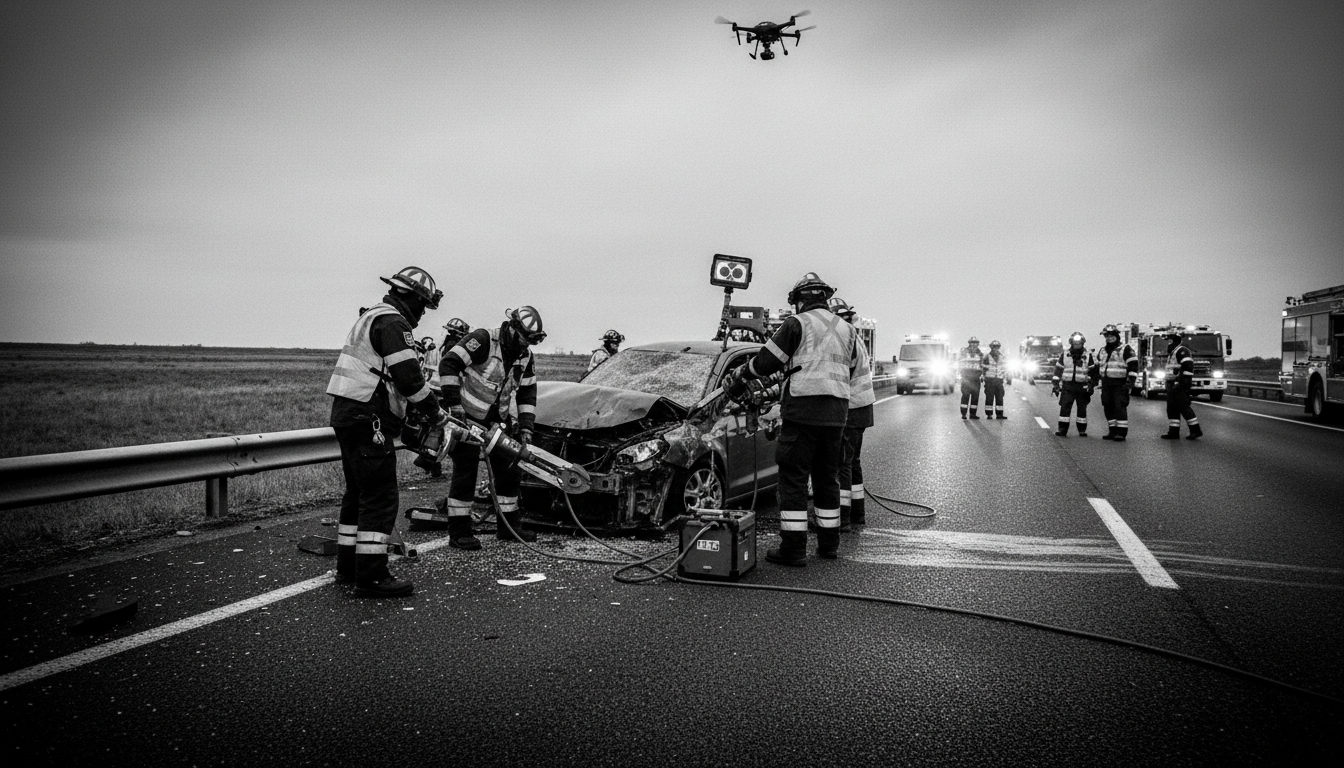
The first sixty minutes following a utah car accident today are often a blur of adrenaline and confusion. Your immediate priority must be safety, both for yourself and other motorists. On high-speed corridors like I-15 through the Salt Lake Valley or busy intersections like 700 East and 2100 South, a secondary collision is a significant risk.
Utah law is specific about your responsibilities at the scene. Under Utah Code Ann. 41-6a-401, commonly known as the Move It law, drivers must move their vehicles off the main travel lanes if the vehicle is operable and there are no apparent injuries. Clearing the roadway helps prevent further accidents and allows traffic to flow. However, if the crash involves serious bodily injury or a fatality, vehicles should remain exactly where they are until law enforcement arrives, unless they pose an extreme hazard.
As soon as you are in a safe position, check yourself and your passengers for injuries. Call 911 immediately. Even if the damage seems minor, a police report is essential for documenting the incident accurately. While waiting for officers, stay inside your vehicle if you are on a shoulder with heavy traffic flow, such as the stretches of Bangerter Highway. This is the stage where the foundation of your future claim begins. Effective professional car accident case intake begins with these immediate actions. While our team provides rapid in-person claim assessments once the scene is secured, these initial safety steps are non-negotiable. Ensure hazard lights are on and, if available, use markers to alert oncoming drivers.
Hour 1 to 2: Gathering Evidence for Utah Car Accident Reports
Once the immediate shock subsides and the scene is secured, the next sixty minutes are critical for building an accurate record of the event. When people search for a utah car accident today, they are often looking for the requirements of an official police report; however, your own private documentation is equally vital for insurance and potential legal proceedings.
Begin by exchanging specific details with the other driver. You must obtain their full name, driver license number, insurance company name, and policy number. If there are passengers or bystanders who saw the collision, get their phone numbers and names immediately. Witnesses often leave once the police arrive, so securing their contact information now is a priority for verifying the sequence of events.
Visual evidence is your strongest asset. Use your smartphone to capture high quality photos and videos of the damage to all vehicles involved. Take wide shots that show the position of the cars relative to road markings, traffic signs, and Salt Lake City landmarks or street signs. Document the license plates of every vehicle. Note the road conditions, such as wet pavement on State Street or construction debris that may have contributed to the crash. Detailed imagery of skid marks or broken glass can provide context that a simple written report might miss.
During these interactions, maintain a professional and neutral tone. A common mistake is apologizing or saying "I didn't see you," which can be interpreted as a legal admission of fault. Stick to the facts when speaking with the other driver and law enforcement officers. Even a polite "I'm sorry" intended to de-escalate tension can be used against you during the claims process.
This meticulous data collection allows for a more effective professional car accident case intake. Our team specializes in reviewing this evidence during our rapid in-person claim assessments to ensure no detail is overlooked before referring you to a legal partner. Precise documentation now prevents disputes later when memories fade or stories change.
Hour 3 to 6: Medical Assessment and Reporting Thresholds
By the third hour after a utah car accident today, the immediate roadside chaos has usually settled, but your legal and physical obligations are just beginning. A frequent concern for drivers is how long after an accident does it need to be reported. Under Utah law, you must report the crash to the nearest police authority immediately if there is any injury or if the total apparent property damage exceeds $1,500. While a responding officer at the scene usually fulfills this requirement, you must verify that a report was filed. If no officer arrived, you are responsible for submitting an Operator Report to the Department of Public Safety.
It is important to differentiate between reporting to the police and reporting to your insurance provider. The police report serves as an official state record of the facts, while your insurance policy is a contract that typically requires prompt notification to preserve your coverage. Even if the impact felt minor, modern sensor technology and paint matching mean that repair costs for a collision on State Street or a fender bender near a Bangerter Highway off-ramp can easily surpass the $1,500 threshold.
Physically, this is the window where the adrenaline begins to subside. Adrenaline is a powerful mask that often hides the symptoms of whiplash, concussions, or soft tissue injuries common in rear-end collisions. Do not assume you are uninjured simply because you can walk away from the vehicle. Seeking a medical evaluation now ensures that any underlying trauma is documented early. This medical record is a critical component of professional car accident case intake. When our team conducts rapid in-person claim assessments, having an initial medical report allows us to more accurately categorize the severity of the incident before connecting you with a legal partner.
Hour 7 to 12: The Adrenaline Crash and Mobile Intake Support

Between seven and twelve hours after a utah car accident today, the biological fight or flight response begins to dissipate. This physiological crash often leaves victims feeling physically drained and mentally foggy, just as the complex logistics of insurance claims start to loom. While you may have a police report number, the work of documenting your specific narrative and gathering the necessary paperwork is only beginning.
This window is where After Hours Intake Utah provides essential logistical support. Instead of navigating traffic to an office while injured or waiting days for a callback, a professional car accident case intake specialist meets you directly at your home or a comfortable location in Salt Lake City, Ogden, or Provo. We are not a law firm; our focus is on the speed and precision of initial documentation. We conduct rapid in-person claim assessments to record the nuances of the crash, such as the exact weather conditions or the specific behavior of the other driver, before these memories are dulled by time or stress. By capturing this data immediately, we ensure the foundation of your claim is factually complete, preparing you for a seamless transition to our vetted personal injury attorney partners.
Hour 13 to 24: Documenting the Claim and Mobile Notarization
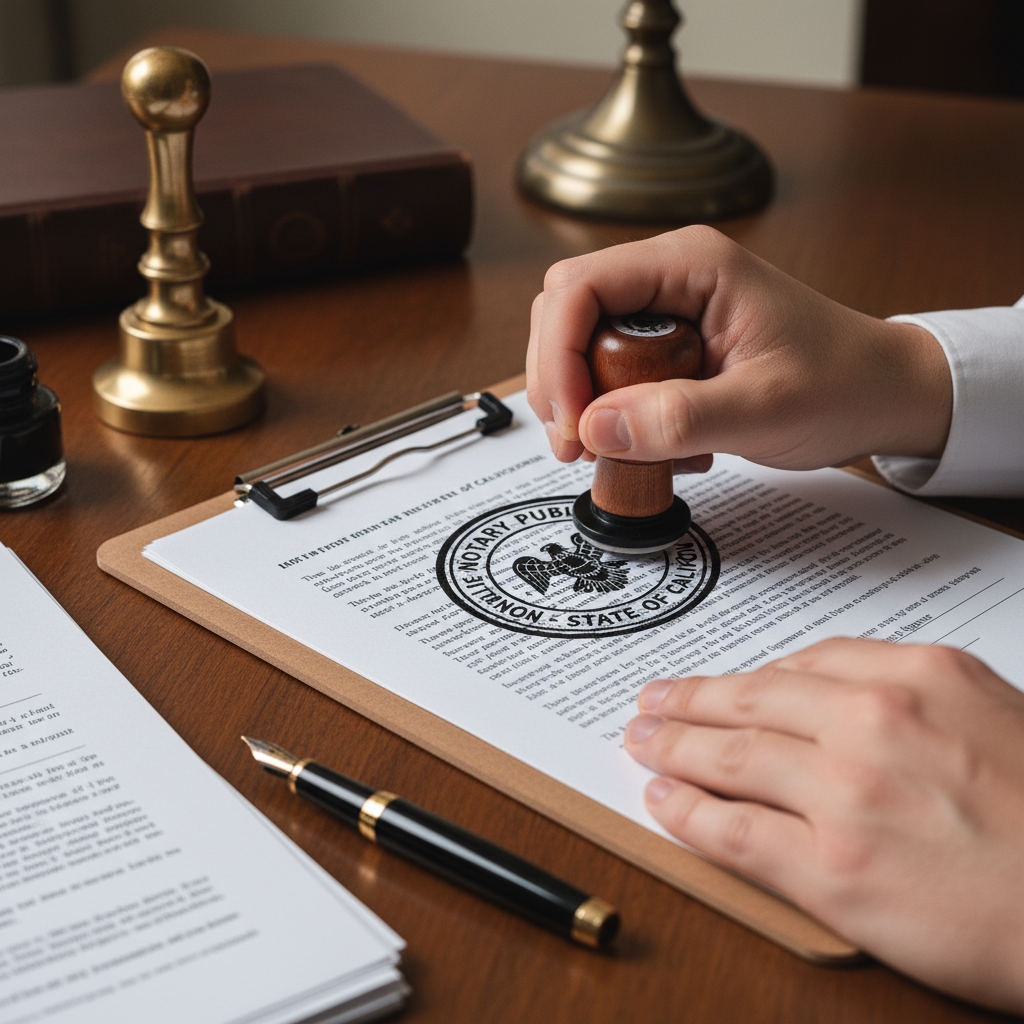
As you enter the second half of your first day following a utah car accident today, the focus shifts from immediate survival to administrative accuracy. Insurance companies often require sworn statements or specific affidavits to move a claim forward. Having access to a mobile notary during these first 24 hours is critical because it ensures that your documentation is legally verified while your memory of the lane positions on I-80 or the timing of a light at a Sandy intersection is still sharp.
After Hours Intake Utah serves as the vital link between the crash site and the courtroom. We provide professional car accident case intake by visiting you on-site to verify the details of the incident. This involves more than just filling out forms; we look at the physical context of the claim to ensure every document is legally sound and factually consistent. By handling the paperwork and notarization immediately, we eliminate the delays that occur when victims wait days to find a stationary notary or schedule a law firm consultation.
Our rapid in-person claim assessments are designed to capture the day one reality of your situation. Once we have secured the necessary signatures and verified the intake data, we refer your case to our network of vetted personal injury attorney partners. This streamlined process ensures that when an attorney receives your file, it is already supported by notarized statements and verified evidence, allowing them to begin work on your recovery without the usual administrative hurdles.
Common Questions About Car Accidents in Utah Today
Navigating the aftermath of a utah car accident today requires precision. When you are involved in a not at fault car accident, the process starts with securing evidence that clearly identifies the other party’s liability. You should focus on obtaining the police report number and ensuring your own records reflect the scene accurately. Many victims ask how to make a claim; this begins by notifying your insurance carrier that an incident occurred without providing a recorded statement until you have organized your documentation and spoken with a professional.
A critical part of the process is knowing what not to tell your insurance company. Keep all interactions brief and strictly factual. Avoid making definitive statements like "I am fine" or "I am not hurt." Adrenaline often masks symptoms of soft tissue injuries that may not manifest for 24 to 48 hours. Instead, state that you are still evaluating your condition and will follow up after a professional medical consultation. Speculating about your health or the speed of the other vehicle before having hard data can inadvertently undermine your claim later.
After Hours Intake Utah simplifies this complex window through professional car accident case intake. Our team facilitates rapid in-person claim assessments to help you document the facts before you speak extensively with adjusters. By prioritizing objective data collection and notarized verification, we ensure you have a clear, factual foundation. This allows you to hand off a comprehensive file to a vetted personal injury attorney, minimizing the risk of misstatements that could affect your recovery.